
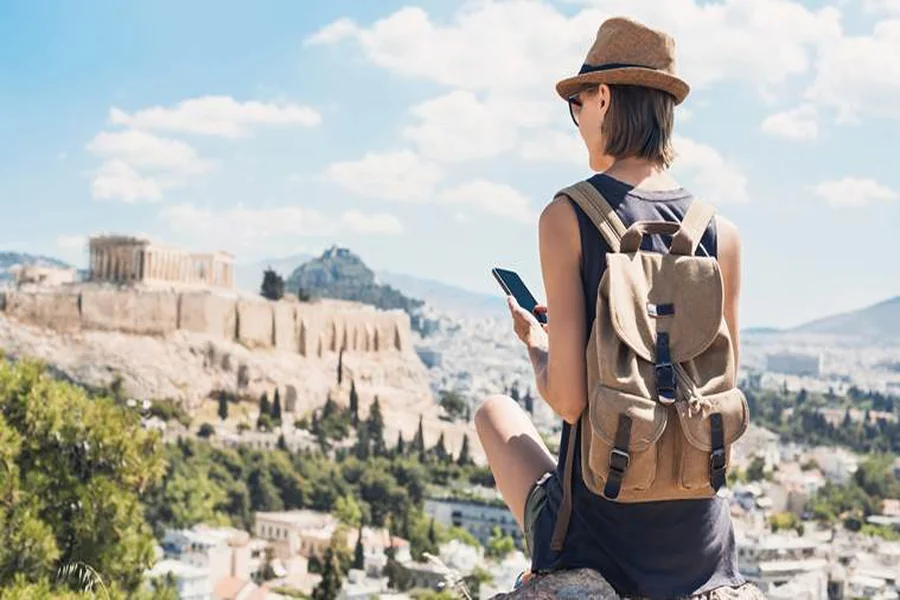
Travel can be one of the most rewarding experiences in life. A new place can give you fresh memories and a different view of the world. You may travel for a short break with friends or plan a long journey with family. You may also travel alone to enjoy some quiet time away from your normal routine.
A good trip does not always need a large budget or a perfect plan. What matters most is knowing what you need before you leave and staying flexible when things change. Simple preparation can save you from many common travel problems.
These travel tips can help you prepare for a smoother and more enjoyable trip. From choosing the right destination to packing your bag and managing your money there are many small decisions that can make a big difference. The goal is not to plan every second. The goal is to feel ready enough to enjoy the journey.
Choose a Destination That Fits Your Trip
The first step toward a good trip is choosing a destination that matches your interests and available time. A beautiful place may look perfect online but it may not be the right choice for every traveler.
Think about what you want from the trip. Do you want a quiet beach holiday? Would you rather visit historic sites? Maybe you want outdoor activities or a food focused journey. Knowing your main goal makes it easier to choose a place.
Your available time also matters. If you only have snapjotz com three days then spending most of that time traveling between locations may leave you tired. A nearby destination can sometimes offer a better experience than a faraway place that requires long travel.
Consider the season before making your final decision. Weather can affect transportation and activities. Some destinations are pleasant during certain months but crowded or uncomfortable during others.
It is also useful to check basic travel requirements before booking anything. Look at passport rules and visa requirements. Check entry conditions and local regulations. If you are traveling internationally then make sure your documents have enough validity for the journey.
Do not feel pressured to visit every famous attraction. A trip should fit your interests rather than someone else’s list. Choosing a destination that suits your pace can make the entire experience more enjoyable.
Build a Simple Travel Plan
A travel plan gives your trip structure without making it feel like work. You do not need to schedule every minute of every day. A simple plan is often better because it leaves room for unexpected moments.
Start by deciding how many days you can spend at the destination. Then make a short list of the places you really want to see. Put them into groups based on location. This can save time and reduce unnecessary travel.
Try to avoid filling your schedule with too many activities. If you plan five major attractions in one day you may spend more time rushing than enjoying the experience. Give yourself some free time between activities.
It is also helpful to keep important information in one place. Save your hotel details and transportation information where you can find them easily. Keep copies of important documents in a secure digital location.
When planning transportation think beyond the first trip from the airport or station to your hotel. Consider how you will move around during the rest of your stay. Public transportation may be affordable and convenient in some cities. Walking can also be a great way to experience an area.
At the same time do not make your plan too strict. Flights can be delayed. Weather can change. Attractions can close. You may also find a place that you enjoy so much that you want to stay longer.
A flexible plan gives you direction while still allowing you to enjoy the unexpected.
Pack Smart and Keep It Simple
Packing is one of the easiest areas where travelers can make mistakes. Many people take far more than they actually need. A heavy bag can make airports and transportation much harder.
Start with the basics. Pack clothes that can work for more than one occasion. Choose comfortable shoes that are suitable for the activities you have planned. Check the expected weather and pack accordingly.
Do not forget small items that can become important during a trip. A phone charger and basic toiletries can save you from unnecessary shopping. If you use regular personal items then make sure you have enough for the journey.
Keep important documents easy to access. Your passport and travel documents should not be buried at the bottom of your bag. A small travel pouch can help keep these items organized.
Avoid packing clothes for every possible situation. Instead choose items that can be mixed and matched. This reduces the amount of luggage you need.
If you are traveling by air then check the current baggage rules for your airline before leaving home. Weight limits and cabin baggage policies can vary.
A small amount of preparation can also make unpacking easier. Keep similar items together in your bag. Packing cubes or small organizers can help if you have many things to carry.
Remember that you can often buy basic items at your destination. You do not need to carry your entire home with you.
The best luggage is often the luggage you can comfortably carry yourself.
Manage Your Travel Budget Wisely
Money can strongly affect the quality of a trip. A good budget does not mean avoiding every expense. It means knowing where your money is going.
Before your trip estimate the major costs. Include transportation and accommodation. Add food and local travel. You should also set aside money for activities and unexpected expenses.
Do not spend your entire budget before the trip begins. Keep an emergency amount separate from your normal spending money. This can help if your plans change or an unexpected cost appears.
Look at the total cost rather than only the price of a hotel or flight. A cheap hotel far from the main area may cost more once transportation is added. A slightly more expensive hotel in a convenient location may save both time and money.
Food is another area where costs can rise quickly. Eating at local restaurants can sometimes be more affordable than dining at tourist focused places. You can also mix restaurant meals with simple snacks or other affordable options.
Be careful with small purchases. A coffee here and a souvenir there may not seem expensive. Several small purchases can add up over several days.
It is also wise to understand how payments work at your destination. Check whether cards are widely accepted. Keep some local currency available if cash is commonly used.
A travel budget should give you freedom rather than make you anxious. Leave room for a few experiences that matter to you. Spending a little more on a memorable activity can be worthwhile if it fits your budget.
Stay Safe Without Feeling Worried
Safety should always be part of travel planning. However being careful does not mean being afraid of everything.
Before traveling learn about the general safety situation at your destination. Understand which areas are busy and which areas may be better avoided at certain times. Follow local rules and listen to reliable advice.
Keep your important belongings secure. Avoid displaying large amounts of cash in public. Keep your phone and wallet in a safe place when walking through crowded areas.
Be careful when using public Wi-Fi. Avoid entering sensitive information on networks that you do not trust. Use secure connections when possible.
Share your basic travel plans with someone you trust. They should know where you are staying and how they can reach you if needed.
If you are traveling alone then pay extra attention to your surroundings. Avoid situations that make you uncomfortable. You do not need to be polite when your safety feels uncertain.
Travel insurance may also be worth considering for some trips. Medical problems and unexpected cancellations can become expensive. The right coverage can provide useful protection.
One of the most important safety travel tips is to trust your judgment. If something feels wrong then step away and find a safer option.
You can stay aware without letting safety concerns take over your trip. Good preparation usually creates more confidence.
Enjoy Local Food and Culture
One of the best parts of travel is experiencing how people live in different places. Food and local traditions can give you a deeper connection to a destination.
Try local dishes when you feel comfortable doing so. You do not need to order something unfamiliar at every meal. Start with popular local foods and choose places that appear clean and busy.
Food markets can also offer a memorable experience. They may introduce you to flavors and ingredients that you have never tried before.
Respect local customs while you travel. Clothing expectations and social behavior can differ from one place to another. Learn a few basic cultural rules before visiting.
Even learning simple words in the local language can make a difference. A basic greeting or thank you can show respect and make everyday interactions easier.
Talk to local people when appropriate. Hotel staff and local business owners can sometimes suggest places that are not included in typical tourist guides.
Try not to judge a culture only by your own habits. Travel gives you a chance to see different ways of living. Some differences may feel strange at first but they can also become some of the most interesting parts of the journey.
Take photos but remember to experience the moment too. It is easy to spend an entire afternoon looking through a camera screen.
Some of your best travel memories may come from simple moments. A conversation with a stranger or a quiet walk through a local neighborhood can stay with you longer than a famous attraction.
Make Your Journey More Comfortable
Comfort can make a major difference during travel. Long flights and busy sightseeing days can be exhausting. A few small choices can help you feel better.
Wear comfortable clothing when traveling. Shoes are especially important if you expect to walk a lot. Carry a light layer if temperatures may change.
Stay hydrated throughout the journey. Try to get enough sleep before and during your trip. Arriving exhausted can make even an exciting destination feel difficult.
Do not plan major activities immediately after a long journey if you can avoid it. Give yourself time to rest and adjust.
If you are traveling across time zones then your normal sleep schedule may change. Give your body time to adapt instead of expecting to feel perfect immediately.
Keep a few useful items in your day bag. Water and basic medication can be helpful. A charger or power bank may also be useful during long days outside.
Your comfort also depends on your pace. You do not have to wake up early every morning or stay outside until midnight. Build the trip around what helps you enjoy yourself.
If you become tired then take a break. Missing one attraction is better than spending the rest of the day feeling exhausted.
The best travel experience is not necessarily the busiest one. A comfortable trip gives you more energy to appreciate where you are.
FAQs About Travel Tips
What are the most important travel tips for beginners?
Start with basic planning. Check your travel documents and understand your transportation and accommodation. Create a realistic budget and pack only what you need. It is also important to keep your plans flexible.
How far in advance should I plan a trip?
There is no single answer for every trip. International travel may need more preparation because of passports and visas. Popular destinations may also require early accommodation and transportation bookings. Short domestic trips can often be planned with less notice.
How can I save money while traveling?
Set a daily spending limit and track your expenses. Compare transportation and accommodation options before booking. Consider local food and public transportation when they are practical. Avoid unnecessary purchases and keep some money for unexpected costs.
What should I pack for a trip?
Pack according to the destination and weather. Comfortable clothes and shoes are usually essential. Bring travel documents and chargers along with basic personal items. Avoid taking too many things because heavy luggage can make travel difficult.
Is travel insurance necessary?
Travel insurance can be useful because unexpected medical issues and trip disruptions can create large expenses. Whether you need it depends on your destination and the type of trip. Review the coverage carefully before buying a policy.
How can I stay safe while traveling?
Research your destination before leaving. Keep important belongings secure and avoid displaying large amounts of cash. Stay aware of your surroundings and follow local rules. If something feels unsafe then remove yourself from the situation.
Should I make a detailed daily itinerary?
A basic itinerary is useful but you do not need to schedule every minute. Choose a few important activities for each day and leave free time. This gives you room to rest or change plans when something unexpected happens.
How can I make a trip more enjoyable?
Do not focus only on checking places off a list. Take time to enjoy local food and culture. Talk with people when appropriate and allow yourself some unplanned moments. A relaxed pace can often create better memories than a packed schedule.
Final Thought
Travel does not have to be complicated. A little preparation can help you avoid common problems and make your journey much more enjoyable. The best travel tips are often simple ones. Pack wisely and plan your budget. Keep important documents safe and stay aware of your surroundings.
At the same time remember that travel is about more than reaching a destination. It is about the moments you experience along the way. A delayed plan or unexpected change does not have to ruin your trip. Sometimes those moments become part of the story you remember most.
Plan enough to feel prepared but leave enough space to enjoy the journey. When you travel with a flexible mindset you can experience new places with less stress and more curiosity. That balance can turn an ordinary trip into a meaningful memory.