
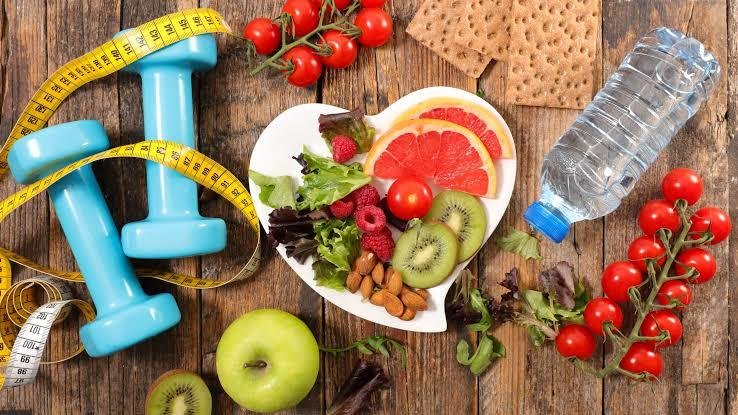
Good health is not only about avoiding illness. It is also about having enough energy to enjoy your day. It means being able to work with focus. It means sleeping well and having the strength to handle everyday tasks. A healthy lifestyle can help support all of these areas.
Many people think good health requires strict diets or difficult workout plans. That idea can make healthy living feel harder than it needs to be. In reality small habits can make a meaningful difference when they become part of your normal routine.
Eating balanced meals is one important part of health. Regular movement is another. Sleep and stress management also deserve attention. Even simple choices such as drinking enough water or taking a short walk can support your overall well-being.
The goal is not to become perfect. The goal is to create habits that you can maintain for years. A healthy lifestyle should fit your daily life rather than make life more difficult.
Build Better Eating Habits
Food gives your body the energy and nutrients it needs to function. A balanced diet can support your immune system. It can also help maintain healthy bones and muscles while supporting normal body functions.
A useful approach is to include different types of food in your meals. Fruits and vegetables can provide vitamins and minerals along with fiber. Whole grains can provide lasting energy. Foods such as eggs fish beans lentils and lean meats can provide protein.
Healthy fats can also have a place in your diet. Nuts seeds avocados and certain vegetable oils are examples of foods that contain beneficial fats. The right balance depends on your individual needs.
Try to avoid making food choices based only on calories. The quality of your food matters too. A meal made from nutrient-rich ingredients can be more satisfying than a meal filled mainly with refined carbohydrates and added sugar.
You do not need to remove every favorite food from your life. A flexible approach is often easier to maintain. Enjoy treats occasionally while making nutritious foods the foundation of most meals.
Eating slowly can also help. When you take time to eat you may notice hunger and fullness signals more clearly. Regular meal times can also help you avoid becoming extremely hungry later in the day.
Planning meals ahead can make healthy eating easier. Keep simple ingredients available at home. Fresh vegetables frozen vegetables fruits eggs beans and whole grains can help you create quick meals without relying heavily on highly processed foods.
Make Daily Movement a Habit
Physical activity is another major part of a healthy lifestyle. You do not have to spend hours in a gym to become more active. Walking cycling stretching dancing and household activities can all add movement to your day.
Adults should generally aim for regular moderate physical activity each week along with muscle-strengthening activities. However your starting point should depend on your current fitness level.
If you have been inactive for a long time begin slowly. A short daily walk can be a good starting point. As your body becomes more comfortable you can gradually increase the duration or intensity.
Strength training is useful because muscles play an important role in daily movement. Simple exercises such as squats wall push-ups and resistance exercises can be included in a routine. Proper technique matters more than lifting heavy weights.
Movement can also support mental well-being. Physical activity may help reduce stress and improve mood. It can give you a break from screens and work while helping you feel more refreshed.
The best exercise is often the one you enjoy enough to repeat. If you dislike running there is no reason to force yourself to run every day. Try swimming walking sports dancing or another activity that feels enjoyable.
Consistency matters more than intensity. Twenty minutes of movement done regularly may be more useful for your lifestyle than an exhausting workout that you only do once in a while.
Give Sleep the Attention It Deserves
Sleep is often ignored when people try to improve their health. Yet quality sleep is essential for physical and mental recovery.
Most adults need around seven or more hours of sleep each night. Individual needs can vary. Children and teenagers usually require more sleep.
A regular sleep schedule can help your body maintain a healthy rhythm. Try to go to bed and wake up at similar times each day. This can be helpful even on weekends.
Your bedroom environment can also affect sleep. Keep the room comfortable and quiet when possible. A darker room may also make it easier to sleep.
Screens can be another challenge. Phones and computers can keep your mind active when you are trying to relax. Consider putting devices away before bedtime if you find that they interfere with sleep.
Caffeine can affect some people for several hours. If you struggle to sleep you may want to avoid caffeinated drinks later in the day.
A relaxing bedtime routine can signal that it is time to slow down. Reading a book taking a warm shower doing gentle stretching or listening to calm music may help you transition into sleep.
If you regularly have trouble sleeping despite making healthy changes it may be worth discussing the problem with a healthcare professional. Persistent sleep problems can sometimes be connected to an underlying issue.
Manage Stress in Healthy Ways
Stress is a normal part of life. Work family responsibilities financial concerns and major life changes can all create pressure. Some stress may be unavoidable. The way you respond to it can still make a difference.
One simple strategy is to take short breaks during demanding days. Step away from your work. Take a few slow breaths. Walk outside for a few minutes or simply sit somewhere quiet.
Regular physical activity can also help with stress. Exercise gives you time away from daily responsibilities and may improve your mood.
Talking with someone you trust can be useful too. You do not always need advice. Sometimes expressing what you are feeling can make a difficult situation easier to handle.
Try to avoid using unhealthy habits as your main way of coping. Excessive alcohol use smoking overeating or staying awake all night may provide temporary relief but can create additional problems over time.
Organization can also reduce unnecessary stress. Write down important tasks and divide large projects into smaller steps. Trying to remember everything at once can make your day feel more overwhelming.
It is also important to accept that you cannot control everything. A healthy lifestyle does not mean having a stress-free life. It means developing better ways to respond when life becomes difficult.
If stress feels constant or starts interfering with daily life consider talking with a qualified mental health professional. Seeking support is a sign of taking care of puzutask com.
Create Healthy Habits That Last
A healthy lifestyle becomes easier when good choices become ordinary habits. Instead of changing everything at once focus on one or two improvements.
For example you could start by drinking more water each day. After that becomes normal you could add a daily walk. Later you might improve your breakfast or create a regular bedtime.
Small steps are easier to maintain because they require less adjustment. A dramatic lifestyle change may feel exciting at first but can become difficult when your schedule gets busy.
It can help to connect a new habit with something you already do. You could stretch after brushing your teeth. You could take a short walk after lunch. You could prepare tomorrow’s breakfast while making dinner.
Your environment matters too. Keep healthy foods where they are easy to see. Keep workout clothes ready if you plan to exercise in the morning. Make healthy choices convenient.
Do not treat one bad day as failure. Everyone has days when they eat poorly or skip exercise. One unhealthy meal does not ruin your progress. One missed workout does not erase weeks of effort.
Simply return to your routine at the next opportunity.
Tracking your habits can also provide motivation. You can use a notebook or simple calendar to mark days when you complete a goal. The purpose is not to judge yourself. It is to see patterns and build consistency.
Remember that health is personal. Your needs may differ from another person’s needs because of age activity level medical history and other factors. If you have a medical condition or special dietary needs speak with a qualified healthcare professional before making major changes.
Simple Health Choices for a Busy Day
A busy schedule does not mean you have to ignore your health. You can make practical choices even when time is limited.
Start the day with a nutritious meal if breakfast works well for you. Choose foods that provide protein fiber and other important nutrients. If mornings are rushed prepare something the night before.
Keep water nearby while working. Having a bottle on your desk can remind you to drink throughout the day.
Look for chances to move. Walk during a phone call. Take the stairs when practical. Stand up regularly if you spend much of your day sitting.
Lunch does not need to be complicated. A simple combination of vegetables protein and whole grains can create a balanced meal. Leftovers can save both time and money.
When work becomes stressful take a short pause instead of pushing through for hours without a break. A few minutes away from a task may help you return with better focus.
At night avoid filling every remaining minute with work. Give yourself time to relax before bed.
These choices may seem small. Yet repeated daily they can become part of a strong foundation for better health.
FAQs About a Healthy Lifestyle
What is a healthy lifestyle?
A healthy lifestyle includes habits that support physical and mental well-being. It commonly involves nutritious eating regular physical activity adequate sleep stress management and avoiding harmful habits.
Do I need to follow a strict diet to be healthy?
No. A healthy diet does not have to be extremely restrictive. Focus on a variety of nutritious foods and reasonable portions. Occasional treats can fit into a balanced eating pattern.
How much exercise should I get?
The right amount depends on your age health and fitness level. Adults are generally encouraged to get regular moderate physical activity each week along with muscle-strengthening activity. If you are starting from a low activity level begin gradually.
Is walking enough for better health?
Walking can be an excellent form of physical activity. It can help you become more active and may support heart health and fitness. Adding strength exercises can provide additional benefits.
How important is sleep for overall health?
Sleep is very important. Good sleep supports physical recovery attention mood and many normal body functions. Most adults need around seven or more hours each night.
Can stress affect my health?
Long-term stress can affect both mental and physical well-being. Finding healthy ways to manage stress can support overall health. Exercise relaxation adequate sleep and social support may all help.
How can I start living healthier today?
Choose one simple change. You could take a short walk drink more water add vegetables to a meal or create a consistent bedtime. Once the habit becomes easier add another small improvement.
What should I do if I have a health concern?
Speak with a qualified healthcare professional. General health advice cannot replace an evaluation based on your individual symptoms and medical history. Seek urgent medical care for serious or sudden symptoms.
Final Thought
A healthy lifestyle does not need to be complicated. You do not need a perfect diet or an intense workout routine every day. What matters is building practical habits that support your body and mind over time.
Start with simple choices. Eat more nutritious foods. Move your body regularly. Protect your sleep. Find healthy ways to manage stress and give yourself room to make mistakes.
The best health routine is one you can continue. Small improvements repeated consistently can become powerful over time. Focus on progress rather than perfection and make your health a regular part of everyday life.