
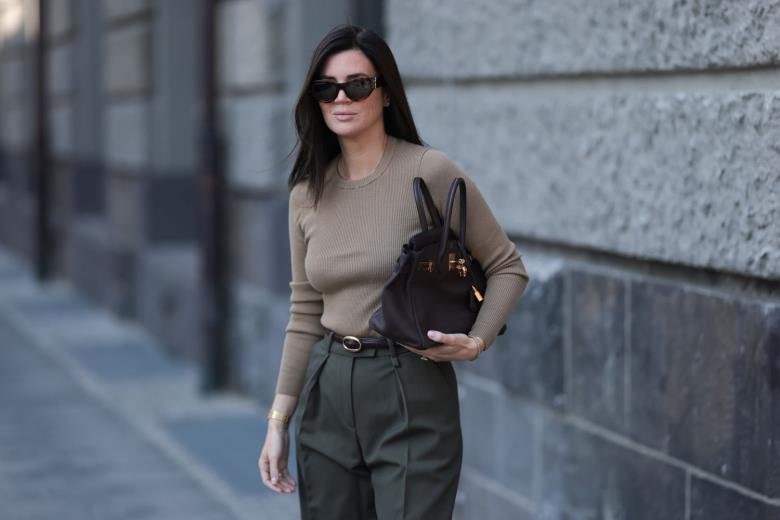
Fashion is more than following the latest trends. It is one of the simplest ways to express your personality without saying a word. The clothes you choose can affect how you feel and how you present yourself to others.
Some people love bold colors and statement pieces. Others prefer simple outfits with neutral shades. Neither approach is wrong. Good fashion is not about copying someone else’s style. It is about finding clothes that work for your lifestyle and make you feel comfortable.
A stylish wardrobe also does not need to be expensive. You can create great outfits with a few well-chosen pieces. The key is understanding what suits you and learning how to combine different items.
Fashion trends change quickly. One season may focus on oversized clothing while another may bring fitted styles back into focus. Trying every trend can become expensive and frustrating. Instead you can choose trends that work with your existing wardrobe.
Personal style develops over time. You may like certain colors today and prefer something completely different a few years later. That is perfectly normal. Your wardrobe should grow with you.
Whether you are updating your closet or simply trying to dress better each day, a few simple principles can make snapjotz com.
Why Fashion Matters in Everyday Life
Fashion plays a bigger role in daily life than many people realize. Clothing is something we interact with every day. The right outfit can make you feel confident before an important meeting or comfortable during a casual weekend.
Your clothes can also communicate your personality. Someone who prefers clean and simple outfits may want a different visual impression from someone who enjoys colorful and creative combinations.
This does not mean clothing defines who you are. It simply gives you another way to express yourself.
Fashion can also influence confidence. When you wear something that fits well and feels right you may naturally carry yourself differently. You may stand taller and feel more prepared to face the day.
There is also a practical side to fashion. Choosing suitable clothing for the weather and occasion can make everyday life easier. Breathable fabrics can keep you comfortable during hot weather. Layered clothing can help during cooler days.
Personal fashion can even save time. Once you understand which colors and styles work well for you it becomes easier to choose an outfit.
The goal is not to look perfect every day. The goal is to feel comfortable and confident in what you wear.
That is why good fashion should be personal rather than based entirely on outside opinions.
How to Find Your Personal Fashion Style
Finding your personal style can take time. You do not need to decide on one specific fashion identity immediately.
Start by looking at the clothes you already enjoy wearing. Which outfits make you feel comfortable? Which colors do you naturally choose? Do you prefer relaxed clothing or more structured pieces?
Your answers can reveal patterns.
You can also look at outfits that catch your attention. Save pictures of styles you like and compare them later. You may notice that you repeatedly choose similar colors or silhouettes.
Think about your daily lifestyle too. Someone who works in an office may need different clothing from someone who spends most of the day outdoors.
Your style should fit your real life.
Comfort is another important factor. A beautiful outfit will not feel great if you are constantly adjusting it or worrying about how it looks.
Do not be afraid to experiment. Try a color you normally avoid. Pair a casual item with something more polished. Test different layers and accessories.
Some experiments will work and others will not. That is part of developing your style.
You also do not need to follow gender-based fashion rules. Clothing can be selected based on fit, comfort and personal preference.
Over time you will naturally learn what works best for you.
Personal style is not something you have to find overnight. It is something you build through experience.
Building a Wardrobe With Essential Pieces
A strong wardrobe starts with versatile basics. These are pieces that can be worn in different ways and combined with many other items.
A few well-fitting tops can provide a foundation for everyday outfits. Neutral colors such as white, black, gray and navy can be especially useful because they work with many shades.
A good pair of jeans can also become a wardrobe staple. Depending on the cut and color you can wear them with a simple T-shirt or a more polished shirt.
Trousers are useful for situations where jeans may feel too casual. A simple jacket can also make an outfit look more refined without requiring much effort.
For warmer weather lightweight shirts and breathable fabrics can improve comfort. During colder seasons sweaters and jackets become important layering pieces.
Shoes should not be overlooked. Comfortable everyday footwear can make a major difference. It is useful to have options for casual days and more formal occasions.
Accessories can add personality without requiring a completely new outfit. A watch bag belt scarf or simple piece of jewelry can change the overall appearance.
The most important thing is versatility. Before buying something ask yourself how many outfits you can create with it.
If a piece only works with one specific outfit it may not provide as much value as something that can be worn in several ways.
A smaller wardrobe filled with useful pieces can often be more practical than a closet full of clothes you rarely wear.
Choosing Clothes That Fit Properly
Fit is one of the most important parts of fashion. Even expensive clothing can look unpolished if it does not fit properly.
The right fit does not necessarily mean tight clothing. It means the garment sits comfortably on your body and allows you to move naturally.
Pay attention to areas such as shoulders waist sleeves and trouser length. These details can change the appearance of an outfit significantly.
When trying on clothes move around. Sit down and walk a little. Clothing should remain comfortable during normal activities.
Different brands can use different sizing systems. Never assume that the same size will fit you everywhere.
If a garment is almost perfect but needs a small adjustment consider getting it tailored. A simple alteration can make an ordinary piece look much better.
Fit also depends on the style you want. Oversized clothing can be fashionable when it is intentionally chosen. Loose clothing should still look balanced rather than simply appearing too large.
The same applies to fitted clothing. It should provide enough room for comfortable movement.
Do not become too focused on the number printed on a clothing label. Sizes are inconsistent between brands.
Focus on how the clothing actually fits.
When your clothes fit well you usually need fewer accessories or complicated styling tricks. The clothing itself looks more polished.
How to Combine Colors and Patterns
Color can completely change an outfit. You do not need advanced fashion knowledge to create attractive combinations.
A simple approach is to start with neutral colors. Black white gray beige navy and similar shades are easy to combine.
Once you feel comfortable with neutrals you can introduce stronger colors.
Try using one main color with one or two supporting shades. For example a blue shirt can work well with neutral trousers and simple shoes.
You can also use different shades of the same color. This creates a coordinated look without requiring identical colors.
Patterns can add visual interest. Stripes checks and small prints can work well when balanced with simpler pieces.
If you are wearing a bold patterned shirt you may want to keep the rest of the outfit relatively simple.
The same principle applies to accessories. One noticeable accessory can create a strong focal point without making the outfit feel crowded.
Seasonal colors can also influence your choices. Lighter and brighter shades may feel natural during warmer months while deeper tones often work well during cooler seasons.
Still there are no absolute rules.
Fashion should allow you to experiment. If you like an unusual color combination try it.
The most important thing is creating an outfit that feels balanced and intentional.
Fashion Trends Without Losing Your Personal Style
Trends can be fun but they should not control your entire wardrobe.
A trend may look great on a model or influencer but that does not guarantee it will suit your lifestyle or preferences.
Before buying a trendy item think about how often you will actually wear it.
A useful approach is to combine current trends with classic clothing. You might choose a modern jacket and wear it with simple trousers. This gives the outfit a current feel without making your entire wardrobe dependent on one trend.
You can also experiment with trends through smaller items. Accessories can provide a fashionable touch without requiring a major wardrobe change.
Avoid buying something simply because everyone else seems to have it.
Fashion changes quickly. What feels essential this month may receive little attention later.
Instead focus on clothing that makes you feel good.
If you genuinely love a trend then enjoy it. There is nothing wrong with trying new styles.
The important thing is maintaining your own sense of identity.
A strong personal style can survive changing trends because it is based on what works for you.
Think of trends as options rather than rules.
Creating Better Outfits on a Budget
Looking stylish does not require unlimited spending. Smart shopping can help you create a useful wardrobe while keeping costs under control.
Start by understanding what you already own. Before shopping check your closet and identify the pieces you actually wear.
You may find that you already have several useful items that simply need better combinations.
Make a list before shopping. This reduces impulse purchases and helps you focus on genuine gaps in your wardrobe.
Quality can also be more important than quantity. A well-made jacket that lasts for years may provide more value than several cheap pieces that quickly lose their shape.
However expensive does not always mean better. Check the fabric stitching construction and care requirements before buying.
Sales can be useful but do not buy something only because it is discounted.
Secondhand shopping can also provide good options. Thrift stores and resale platforms may offer quality clothing at lower prices.
Taking care of your clothes is another way to save money. Follow washing instructions and store garments properly.
Repair small problems instead of immediately replacing an item. A loose button or small tear may be easy to fix.
You can also create different outfits by changing accessories. The same basic outfit can look different with another jacket bag scarf or pair of shoes.
Budget fashion is ultimately about making thoughtful choices.
Frequently Asked Questions About Fashion
What is the most important part of fashion?
Comfort and fit are among the most important parts of fashion. Clothing should suit your body and lifestyle while allowing you to feel confident.
How can I improve my fashion style?
Start by identifying the colors and clothing styles you already enjoy. Build outfits around versatile pieces and experiment gradually with new combinations.
Do I need expensive clothes to look fashionable?
No. Expensive clothing does not automatically create good style. Fit color coordination and appropriate choices often matter more than price.
How many clothes should I have?
There is no perfect number. A useful wardrobe should contain enough clothing for your lifestyle without being filled with items you rarely wear.
Should I follow fashion trends?
You can follow trends if you enjoy them. However you do not need to follow every trend. Choose trends that fit your personal style and budget.
How can I make simple clothes look stylish?
Focus on fit and coordination. Add one or two accessories and use layers when appropriate. Clean shoes and well-maintained clothing can also improve a simple outfit.
What colors are easiest to combine?
Neutral colors such as black white gray navy and beige are generally easy to combine. You can then add brighter colors as accents.
How important are accessories in fashion?
Accessories can add personality to an outfit. A simple watch bag belt scarf or piece of jewelry can change the overall appearance without requiring a new wardrobe.
How can I shop for fashion on a budget?
Create a shopping list and focus on versatile pieces. Compare prices and consider secondhand options. Avoid buying something simply because it is on sale.
Can fashion improve confidence?
Clothing cannot solve every confidence issue but wearing comfortable and well-fitting clothes can help you feel more prepared and confident in everyday situations.
Final Thought
Fashion does not have to be complicated.
You do not need a huge wardrobe or a large budget to dress well. You need to understand what makes you comfortable and what reflects your personality.
Start with clothing that fits properly. Choose versatile pieces that can work in different outfits. Add colors and patterns that you genuinely enjoy. Try trends when they appeal to you but do not feel pressured to follow everything that becomes popular.
Most importantly give yourself permission to experiment.
Your style will change as your lifestyle and preferences change. Something you love today may not be your favorite choice a few years from now. That is completely normal.
The best fashion choices are the ones that feel natural. When you are comfortable in your clothes you are more likely to enjoy wearing them.
Style is not about impressing everyone around you. It is about creating a look that feels like you.
With a thoughtful approach you can build a wardrobe that is practical stylish and personal. You can look good without making fashion stressful or expensive.
In the end the strongest style is not the one that follows every rule. It is the one that gives you the confidence to be yourself.